

Emerging technologies, data, and artificial intelligence are shaping today's recruitment scenarios. Companies often resort to Applicant Tracking Systems (ATS) to facilitate a smoother, faster, and more efficient hiring process.
How Candidate Tracking Systems Help Recruiters Hire Faster and Smarter
Fast, effective recruitment with a strong candidate relationship is what the current recruiting environment demands. Best candidate tracking systems coordinate every step in the hiring process, from job posting to newly recruited candidate onboarding, without forgetting any qualified candidate across the board.
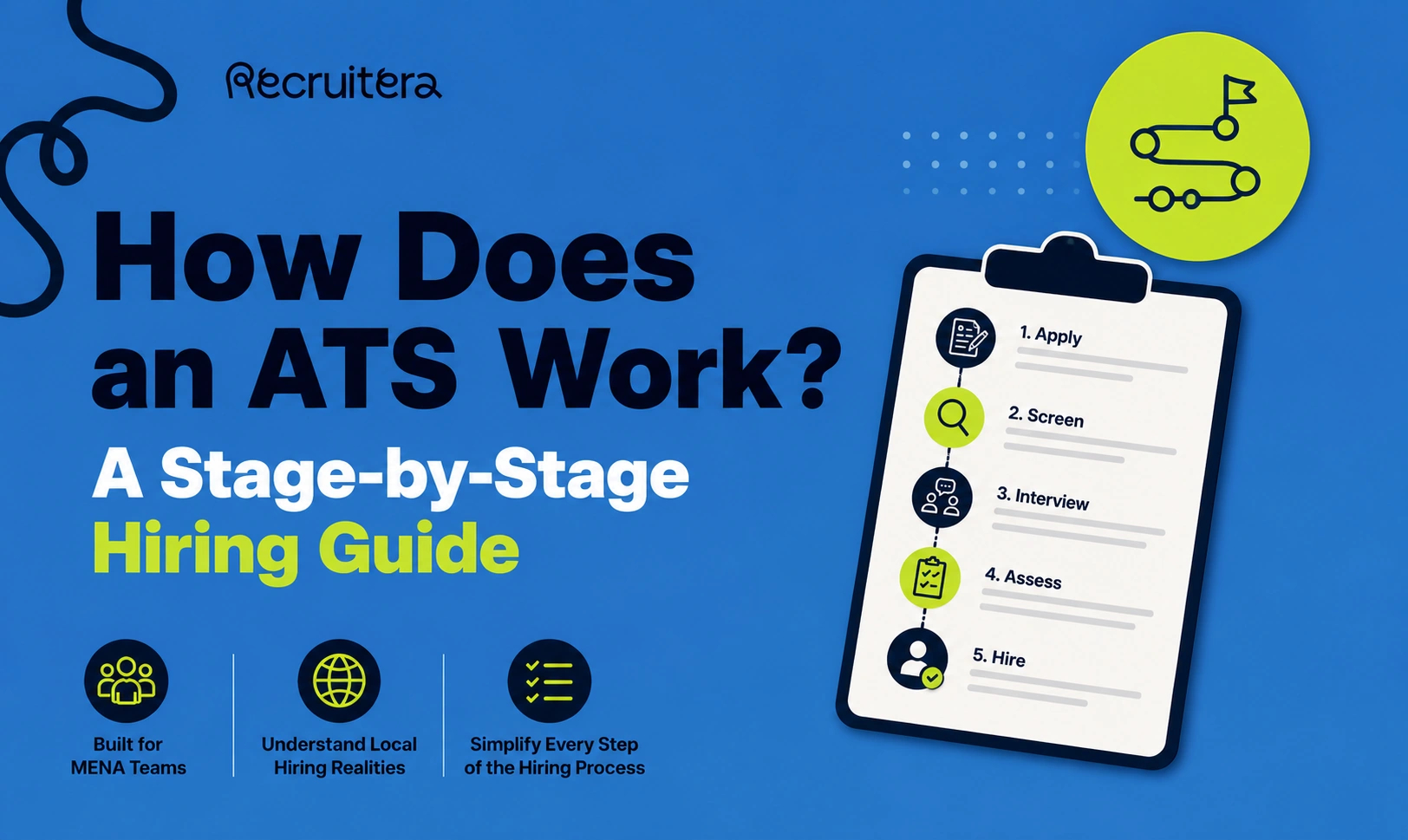
Automated Job Requisitions and Postings
Recruiters begin the process with the job requisition definition. The ATS creates the job posting and distributes it to job boards, social media, and career portals automatically. This auto-publishing maximizes each opening's exposure and ensures description and branding consistency across all platforms.
Resume Parsing and AI-driven Candidate Ranking
Once applications start rolling in, the ATS springs to life, sorting resumes on skill relevance and keyword match. More sophisticated systems use AI to scan resumes, extract important information like education, experience, and certifications, and rank candidates on fit. In high-volume recruitment verticals, this can save time-to-hire by as much as 70%.
Ease in Managing Communications and Scheduling
A modern ATS provides huge value by automating messages — whether acknowledging a thank-you email, scheduling an interview, or graciously rejecting a candidate. Some integrate with calendars to let hiring managers and candidates book interview times in real-time. Recruiters can also tag or categorize candidates for future job openings, building proactive talent pools.
Gathering Feedback and Sharing
A centralized recruiter ATS eliminates ambiguity by giving all stakeholders — departmental managers, HR executives, and C-level executives — a chance to collaborate in one system. All interviewers can input feedback immediately, allowing for transparency and organized evaluations.
Making Job Offers and Onboarding Effortless
After selecting the desired candidate, the ATS automatically generates offer letters. Platforms support electronic signing, approvals, and tracking. Onboarding modules enable new employees to view pre-joining content, complete required forms, and start early orientation before their first day.
Critical Applicant Tracking System Features and Why Recruiters Value Them
Intelligent Resume Parsing and Candidate Matching
AI-enabled resume parsing reads precise information from every submitted resume and compares it against job requirements through customized filters. Advanced systems vary by predictive scoring, automatically ranking candidates by suitability and saving recruiters days of manual work.
Automated Job Posting and Candidate Sourcing
Automation saves time and extends reach. The ATS can publish new openings to many job boards and social media channels simultaneously, allowing companies to combine quantity with quality.
AI-Powered Candidate Engagement
AI-powered chatbots address common questions, guide applicants through the process, and collect initial screening data. Smart notification features guarantee all applicants receive timely notices, maintaining a positive experience even if they aren't chosen.
Collaborative Hiring Workflows
Each stakeholder can post comments, score candidates, and approve next steps within the ATS. Notification systems keep all parties on the same page, eliminating the confusion that comes with emails or standalone spreadsheets.
Recruitment Metrics and Data Analytics
A good ATS measures time-to-hire, cost-per-hire, and source of hire metrics. Dashboards report trends, bottlenecks, and patterns. For example, if analysis confirms that internally referred candidates perform well, recruitment efforts can be focused on employee referral programs.
Data Privacy and Compliance Management
As data protection laws like GDPR increase, compliance has become mandatory. Modern ATS features include safe data storage, privacy consent tracking, and role-based access, ensuring legal compliance and promoting trust between candidates and internal stakeholders.
How to Choose the Right Applicant Tracking System
Define your core needs. Start by identifying what issues you're trying to address. Do you need high-volume screening automation? Data analysis to identify patterns in hiring? Integration with your HRIS?
Focus on an intuitive user interface. Recruiters work at a quick pace, so the ATS should be user-friendly and encourage usage from team members.
Test customization and localization options. If your company operates in specific regions, look for regionalized features, bilingual UI, and compliance monitors.
Assess scalability and integrations. The ATS should integrate with your existing HR systems and scale as your business grows.
Evaluate data security and compliance. Ensure the platform is compliant with applicable privacy regulations and allows for proper data handling.
The Future of Applicant Tracking Systems
Candidate ATS in the future will leverage predictive analytics to forecast hiring success and identify top-performing candidates early. AI will improve all phases, from more accurate resume parsing to recommending tailored hiring strategies. Advanced systems will use conversational AI to provide real-time communication and context-based job recommendations.
Final Thoughts
Recruiters who invest in an AI-driven, scalable applicant tracking system position themselves for long-term success — not only in filling roles but in shaping stronger and more sustainable talent pipelines. With the right system in place, recruitment becomes aligned with business strategy, employer branding improves, and candidate engagement becomes more personal.
FAQs
How does an ATS help recruiters hire faster? It automates job postings, resume screening, and interview scheduling, helping recruiters manage large volumes of candidates more efficiently.
What features make an ATS valuable for hiring teams? Key features include AI resume parsing, collaborative hiring, automated communication, and data analytics for tracking recruitment performance.
How does an ATS improve the candidate experience? It keeps candidates informed through real-time updates, faster responses, and personalized communication, making the process smoother and more transparent.
جاهز للتوظيف بذكاء أكبر؟
يساعدك ريكروتيرا على رؤية الشخص وراء السيرة الذاتية. احجز عرضًا توضيحيًا سريعًا واكتشف طريقة أفضل لبناء فريقك.
احجز عرضًا توضيحيًا

مركز المعرفة الأول لمسؤولي التوظيف.
تصفّح الموارد ←أدلة عملية حول استقطاب المواهب وإجراء المقابلات وبناء العلامة التوظيفية في المنطقة.
اقرأ المدونة ←أوصاف وظيفية وخطابات عروض عمل وبطاقات تقييم للمقابلات وقوائم تهيئة الموظفين الجدد، جاهزة للنسخ.
تصفّح القوالب ←